
When I first wrote about God’s call in my life, it was a personal reflection — an attempt to put into words what has been, for me, an unshakable inner direction. Over the years, that call has been the compass guiding nearly five decades of work in POVERTY REDUCTION — starting from a Nepali village, then through the dusty villages of rural India to policy discussions in government halls, from grassroots innovations to global conversations.
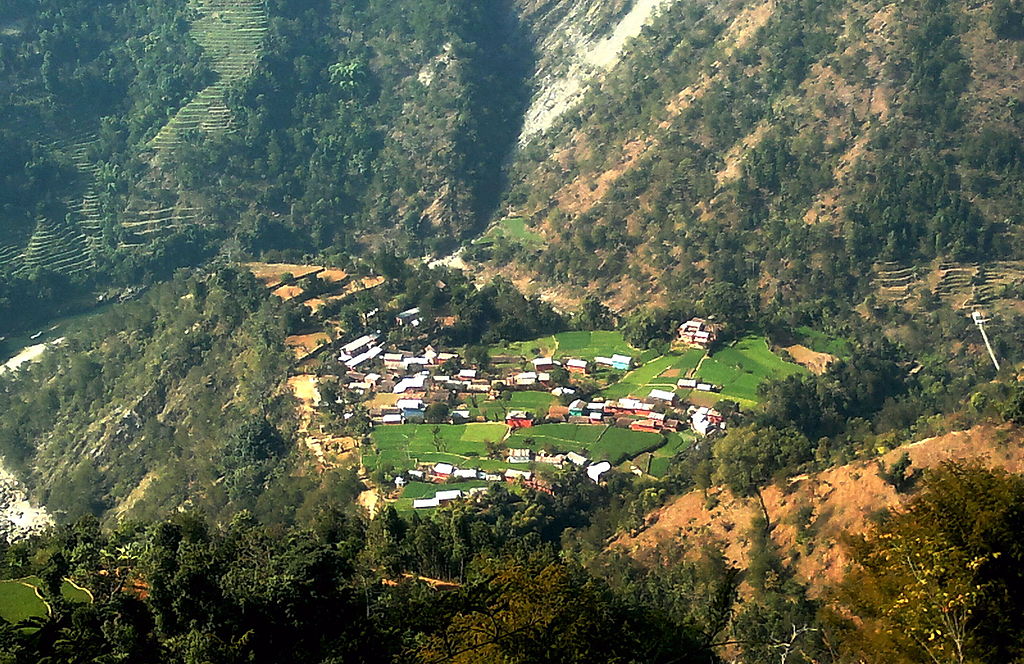
“Village of Nepal” by Udit Pandey, via Wikimedia Commons, licensed under CC BY-SA 4.0.
Looking back, I see not just the outcomes but the wisdom embedded in the process — wisdom that I now recognise as God’s. Often, I had no blueprint in hand, only the lived reality of communities and the conviction that solutions must grow from within them. That is how practical models of POVERTY REDUCTION emerged — models shaped by people’s strengths, tested in their struggles, and refined through decades of patient persistence.
Today, I find myself at another turning point. With AI tools like this one, there is an unprecedented opportunity to share these lessons far more widely — not as closed, proprietary knowledge, but as an open resource for anyone, anywhere, to adapt and use. This is why I am embracing Creative Commons licensing — so that the stories, strategies, and hard-won insights of POVERTY REDUCTION can travel freely, be enriched by others, and perhaps even spark change in places I may never see.
This post begins a new series that will weave together my life’s work, the wisdom drawn from it, and the possibilities of sharing and scaling it through AI. In the next post, I will explain what Creative Commons is, why I chose it, and how it can serve those committed to justice and equity.
Call to Action
If this message resonates with you, I invite you to help spread it widely:
- Share this blog on your social media platforms — Facebook, LinkedIn, WhatsApp groups, X (Twitter), or any others you use.
- Forward it to colleagues and friends working in NGOs, especially those engaged in rural development and POVERTY REDUCTION.
- Share it with the Economics faculty or students who are exploring development economics.
- Pass it along to government staff involved in rural development, livelihoods, and community empowerment.
- If you belong to any faith-based or community networks that care about justice and equity, consider sharing it there as well.
By doing so, you will be helping to start a conversation that matters — one that challenges old assumptions and opens new possibilities for reducing poverty in real, practical ways.
 Rajaratnam Abel