I started this set of blogs by asking the above question, “Are
chocolates good for the heart?” In this blog I conclude by answering this
question. You may be surprised to learn that chocolate isn’t as bad for you as was
once believed.
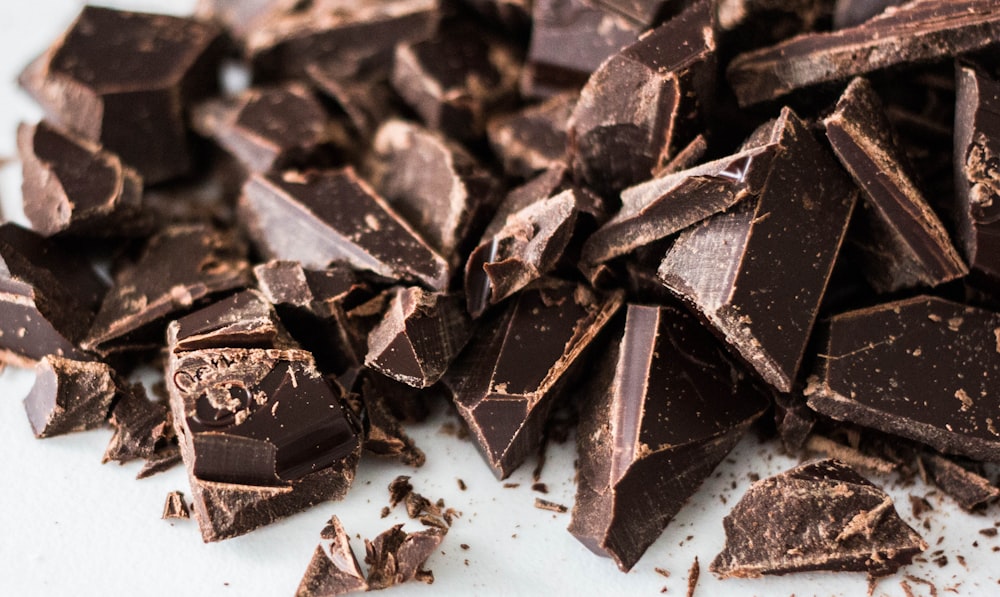
Most chocolate falls into one of three categories: white chocolate,
milk chocolate, or dark chocolate. Chocolate’s darkness is determined by the
proportion of cocoa solids made from cocoa beans that is mixed with cocoa
butter and sugar.
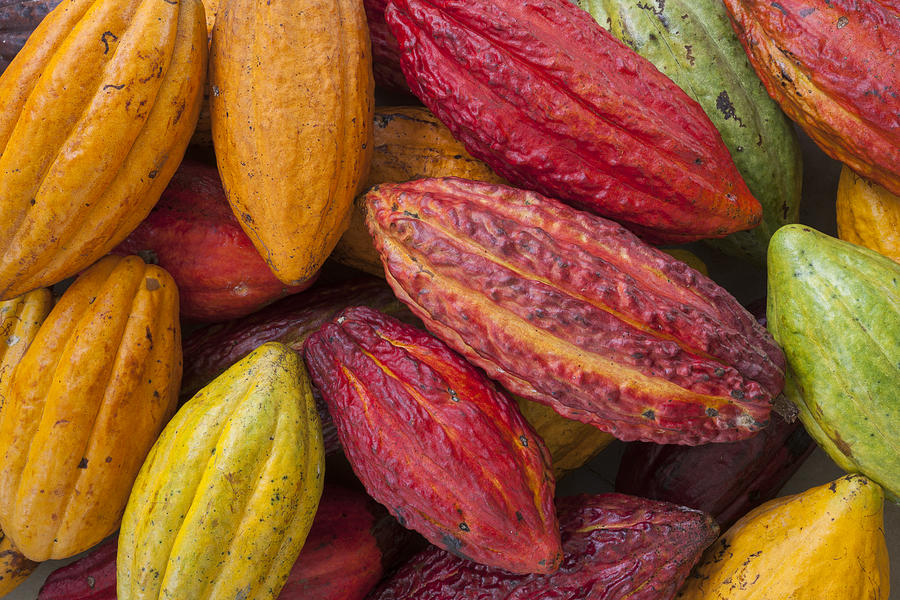
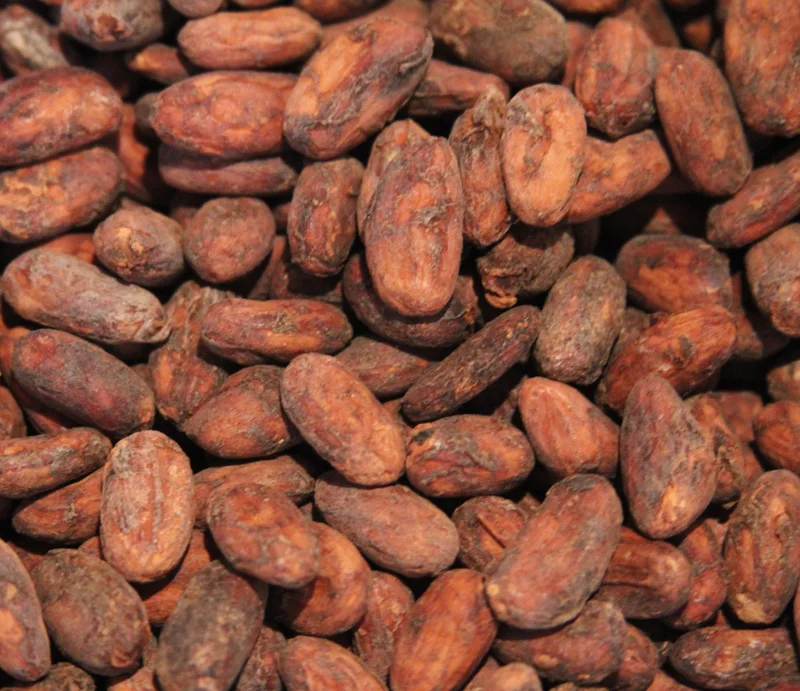
Cocoa beans are taken through a number of processes starting
with fermentation, drying, roasting, cracking and alkalization. The end result
is a paste called cocoa liquor. It contains both nonfat cocoa solids and cocoa
butter. After drying again, it is ground into cocoa powder.
The chemical composition of cocoa solids gives an indication on
their usefulness. Some of these include, phenylethylamine,
theobromine, and many polyphenols, like flavonoids.
They also
contain many vitamins and minerals as well as healthy doses of potassium
and copper, which support cardiovascular health, and iron, which transports
oxygen through the body.
Many flavonoids are
shown to have antioxidative activity, free-radical scavenging capacity,
coronary heart disease prevention, and anticancer activity. Most dark chocolate is high in flavonoids,
particularly a subtype called flavanols that is associated with a lower risk of
heart disease.
When we eat foods rich in flavonoids from any source, it appears
that we also benefit from this “antioxidant” power. It is believed
that the strong antioxidant properties of these flavonoids may help protect the
cardiovascular system and is linked to a lower risk of coronary heart disease.
It is this relationship that is attributed to dark chocolate
being beneficial to the heart both
from nutritional and pharmacological viewpoints.
They also appear to have neuroprotective, and chemo preventive
potential. Other medical benefits
include, lowering of blood pressure, improving blood flow to the brain and
heart, and making blood platelets less sticky and able to clot.
There has been no absolute direct scientific study to prove this
protective factor. There is difficulty in designing studies that
could accurately measure the daily intake of flavonoids because of the
complexity of existence of flavonoids from various food sources, the diversity
of dietary culture, and the occurrence of a large number of flavonoids itself
in nature.
Cocoa naturally has a very strong, pungent taste, which comes
from the flavanols.
When cocoa is processed into your favorite chocolate products,
it goes through several steps to reduce this taste. This level of processing
causes more flavanols to be lost.
A standard bar of dark chocolate with 70 percent to 85 percent
cacao contains about 600 calories and 24 grams of sugar, according to the U.S.
Department of Agriculture’s nutrient database. Milk chocolate contains roughly
the same number of calories but twice the sugar.
Hot chocolate or
a chocolate bar with more than 75% dark cocoa solids will
have a high flavonoid content. White chocolate, however, contains only cocoa butter – no cocoa
solids resulting in lost flavonoids– combined with sugar and other ingredients.
Be careful about the type of dark chocolate you choose: chewy
caramel-marshmallow-nut-covered dark chocolate is by no means a heart-healthy
food option. Watch out for those extra ingredients that can add lots of extra
fat and calories.
Of the three types of chocolates, dark chocolates are the best
as they are rich in flavonoids. Although the best of the three types, it is
best to eat it in moderation.
Enjoying moderate portions of dark chocolate (e.g., 1 ounce) a
few times per week along with other flavonoid-rich foods like apples, tea,
onions and cranberries is good for the heart.



 Rajaratnam Abel